Introduction
In recent years, the cooking world has accepted a fascinating development: cream battery chargers. These small tanks, likewise called nitrous oxide cylinders, have actually revolutionized the way chefs and home cooks alike produce whipped cream, foams, and other wonderful textures in desserts. However, as with lots of contemporary benefits, there is a darker side to this convenience that frequently goes undetected-- the ecological effect of cream charger tanks. In this article, we will explore the nuances of nitrous oxide (N2O) use, its ramifications on the environment, and what you ought to know to make educated choices.
Cream charger tanks are not just popular in expert cooking areas however are also a staple for many at-home bakers and mixed drink enthusiasts. The attraction of quickly whipping up tasty garnishes or adding a little style to drinks has actually made these small cylinders an essential product. Nevertheless, the question develops: are we fully familiar with the repercussions of using these items? The environmental effect of cream battery chargers should have cautious consideration.
Let's dive deep into this topic and comprehend both the benefits and downsides associated with cream battery charger tanks.
The Environmental Impact of Cream Chargers Tanks: What You Should Know
When we discuss cream charger tanks or nitrous whip systems, it's vital to comprehend their composition and how they operate. These cylinders include nitrous oxide (N2O), which functions as both a propellant and a representative for whipping cream. While N2O is effective for developing light, airy textures in food preparation, its ecological ramifications can not be ignored.
What Are Cream Charger Tanks?
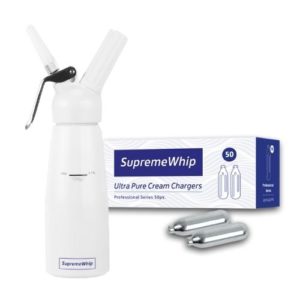
Cream charger tanks are typically little metal cylinders filled with nitrous oxide gas. They are available in various sizes however are most typically found in 8-gram cartridges designed for use with whipped cream dispensers. The system is basic: when the tank is pierced by a dispenser's nozzle, nitrogen streams into the liquid cream, creating whipped cream through quick growth and aeration.
How Do Cream Charger Tanks Work?
Pressurization: The nitrous oxide gas is stored at high pressure within the tank. Dispensing: Upon activation through a whipped cream dispenser, gas hurries into the liquid. Whipping: As the gas broadens upon release from the tank into the liquid medium (cream), it causes bubbles to form, resulting in whipped cream.The Science Behind Nitrous Oxide (N2O)
Nitrous oxide is not simply an active ingredient used in culinary applications; it plays a considerable role in numerous industries such as medication and automobile efficiency enhancement. Here's why N2O matters:
- Chemical Properties: N2O has distinct residential or commercial properties that allow it to act both as an anesthetic in medical settings and as a propellant in food applications. Global Warming Potential: Regrettably, nitrous oxide is classified as a greenhouse gas with a worldwide warming potential 298 times higher than co2 over a century.
Environmental Issues Relating to Nitrous Oxide
The release of N2O into the atmosphere contributes significantly to climate modification:
Greenhouse Gas Emissions:- Nitrous oxide accounts for about 6% of overall greenhouse gas emissions globally. Its long atmospheric life-span implies that as soon as released, it can persist for over 100 years before breaking down.
- Agriculture contributes significantly to N2O emissions due to fertilization practices. While utilizing cream battery chargers might seem benign compared to farming applications, every bit counts when considering our combined footprint.
- Though less gone over than other substances like CFCs or HFCs, N2O has actually been revealed to diminish ozone levels when released into the stratosphere.
Regulatory Procedures on Nitrous Oxide Use
Governments worldwide have actually started acknowledging the ecological risks postured by nitrous oxide:
- Legislation: Some areas have executed stringent policies concerning its usage in agriculture and food preparation sectors. Awareness Campaigns: Education initiatives goal to notify consumers about options offered on the market.
Alternative Solutions for Whipped Cream Production
With growing awareness surrounding environmental concerns related to nitrous oxide use through cream battery chargers tanks, options are emerging:
Plant-Based Whipping Agents
As more customers look for sustainable choices:
- Products made from coconut milk or cashew nuts can provide similar textures without contributing hazardous gases.
Manual Whipping Techniques
While they might need more effort:
- Using handbook whisks or immersion blenders can yield wonderful outcomes without dependence on chemical propellants.
Reusable Whipped Cream Dispensers
Investing in quality devices that allows for refilling instead of single-use can help reduce waste related to standard nitrous systems.
FAQs About Cream Battery charger Tanks
1. What exactly is inside a cream battery charger tank?
A typical cream charger tank contains nitrous oxide (N2O) under pressure created specifically for food applications like light whipping creams or infusing tastes into beverages.
2. Exist any health risks related to utilizing nitrous oxide?
While normally considered as safe when utilized properly in culinary contexts, abuse or inhalation outside intended functions can cause health risks such as oxygen deprivation leading potentially deadly situations.
3. Can I recycle my unused or empty cream battery charger tanks?
Many recycling programs accept steel cylinders; nevertheless examine regional guidelines given that some locations may not allow recycling due to prospective threats presented by residual gases within containers themselves!
4. Just how much does one tank produce regarding whipped cream volume?
An average 8g cartridge usually produces around half-pint (roughly two cups) worth of whipped item depending on factors like temperature/pressure conditions throughout operation!
5. Exists an environmentally friendly alternative available?
Yes! Plant-based options using natural active ingredients provide comparable performances while lowering dependence on artificial substances altogether!
6. What steps can I take personally towards decreasing my carbon footprint from cooking habits involving these products?
Opting for recyclable tools instead along sustainable practices-- such as composting waste created throughout meal prep-- can help lower general effect over time!
Conclusion
As we have actually explored throughout this detailed assessment of "The Ecological Impact of Cream Chargers Tanks: What You Should Know," it becomes clear that while these small yet effective gadgets offer benefit within culinary arts-- they bring significant ecological obligations too!
By understanding their results on our planet-- from greenhouse gas emissions contributing towards environment change-- to exploring viable alternatives-- we empower ourselves towards making informed choices concerning our consumption patterns progressing!
So next time you pick up that cylinder labeled "NitroWhip" or https://squareblogs.net/sulainqirm/the-science-behind-cream-chargers-tanks-and-their-applications "Miami Magic," time out for considered what lies beneath its glossy exterior-- and think about how your choices might form both cooking areas today-- and generations yet unborn tomorrow!
Through awareness comes action; let's strive together toward sustainability-- all while enjoying scrumptious creations!